


Tax Monks is a Management Consulting Team formed by a group of Chartered Accountants, offering end-to-end outsourced accounting solutions for businesses. Our goal is to eliminate the chaos of in-house accounting with a team of qualified CAs—ensuring compliance, accuracy, and peace of mind.
All work is executed by trained professionals and supervised by Chartered Accountants — ensuring accuracy, compliance, and reliable financial reporting.
GST, TDS, and statutory filings are handled timely and efficiently, reducing risks, errors, and regulatory hassles for your business.
Get the expertise of a full accounting team at the cost of a single in-house accountant, with flexible models that grow as your business grows.

We provide professional accounting services through a fully outsourced model—backed by expert supervision and delivered at an affordable cost.
Our approach ensures accuracy, compliance, and business-ready financial insights without the burden of managing a full-time accounting team.
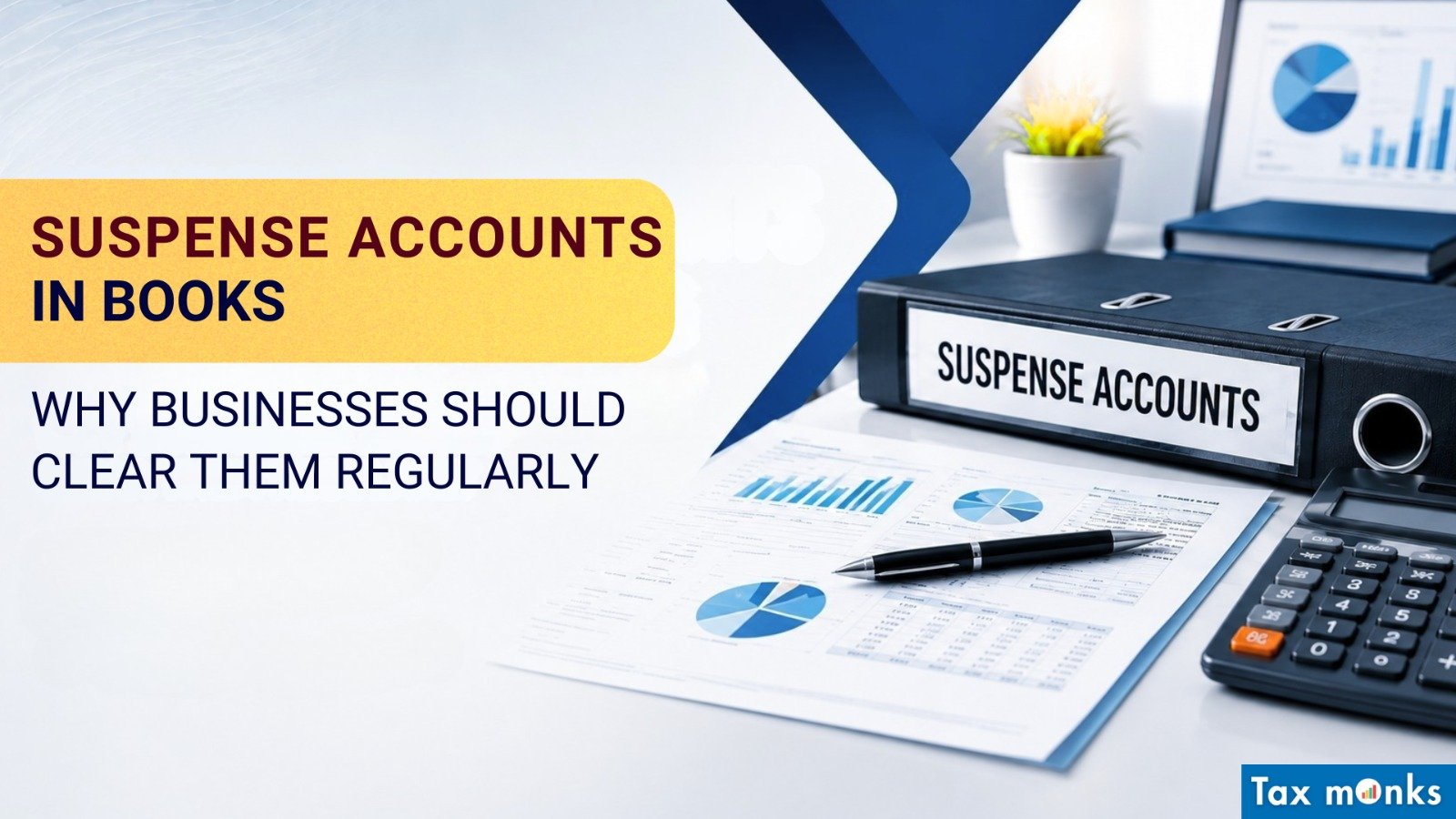
Accurate accounting records help businesses understand their financial position and make informed decisions. However, there are situations where a transaction cannot be immediately recorded under the correct account because complete information is not available. In such cases, the general practice is to place the transaction temporarily in a suspense account.

Running a company involves several statutory and administrative responsibilities. Secretarial compliance ensures that corporate records are properly maintained, statutory filings are completed on time, and legal requirements are met. Errors or delays in these areas can lead to penalties and create difficulties during audits, investments, restructuring, or other corporate transactions. Understanding common compliance mistakes can help companies maintain proper records and avoid regulatory complications.
Managing GST compliance effectively helps businesses maintain smooth financial and tax operations. However, errors such as delayed return filing, incorrect tax details, mismatched records, or improper Input Tax Credit (ITC) claims can lead to notices from GST authorities. Understanding the common reasons behind these notices can help businesses identify potential issues early and maintain better compliance.
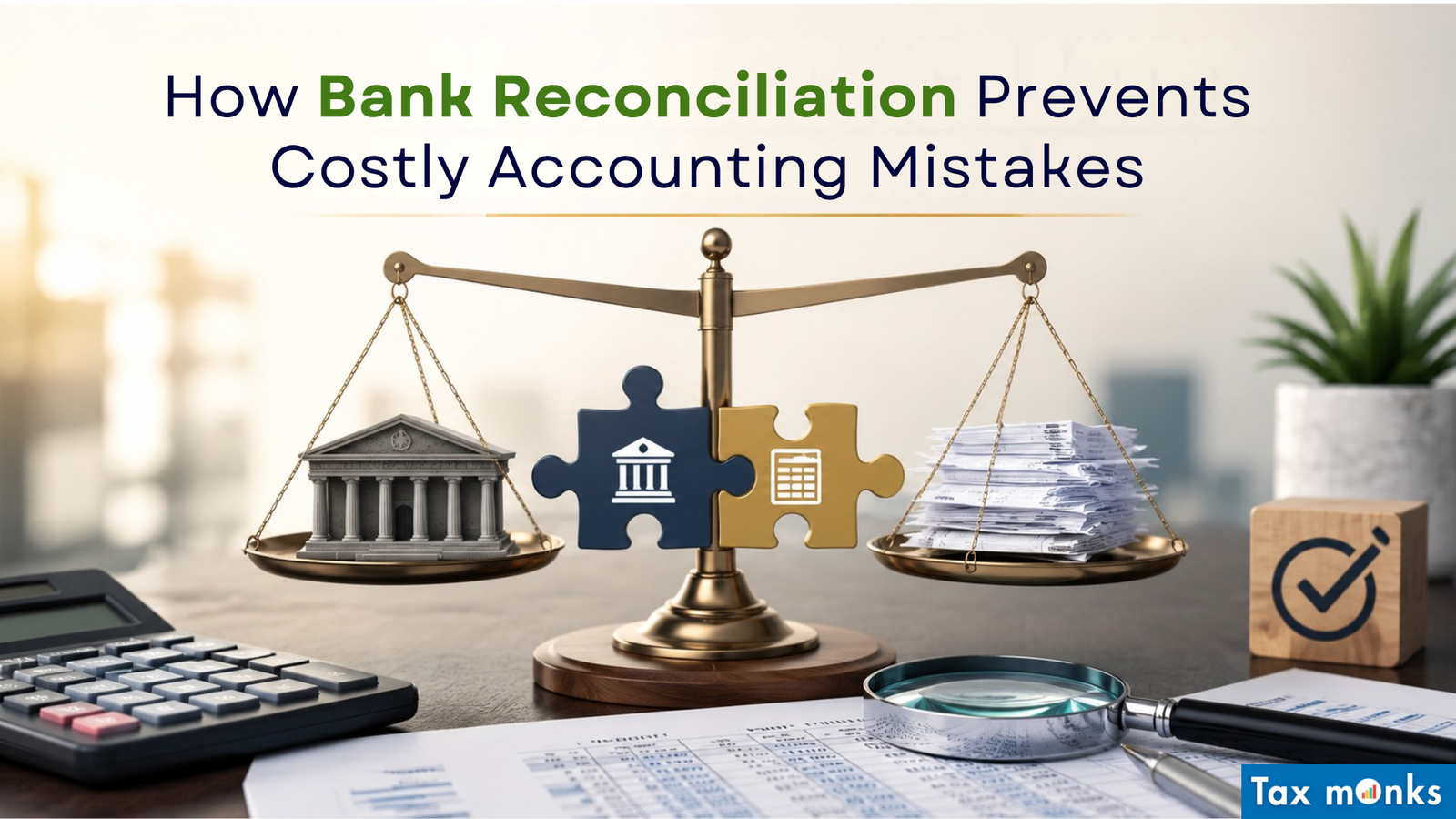
Businesses handle numerous financial transactions, including customer payments, supplier settlements, fund transfers, and bank charges. When these activities are not properly recorded, even small differences can affect cash flow, financial reporting, and tax compliance. Regular bank reconciliation helps businesses compare their accounting records with bank statements. This process identifies differences between the two and allows them to be reviewed and corrected before they create larger financial issues.

Filing your Company Income Tax Return (ITR) on time is an important responsibility for every business. If your company earned income during the Financial Year (FY) 2025-26 and is subject to a tax audit, you must file your return for Assessment Year (AY) 2026-27 by 31 October 2026. Filing your return on time helps your company stay compliant with tax laws. It also helps you avoid penalties, interest, and unnecessary notices from the Income Tax Department. A timely filed return also improves your company's financial credibility when applying for loans or working with banks and investors.

A successful business depends on informed financial decisions. One of the most important financial reports that supports these decisions is the Income statement, also known as the Profit and Loss (P&L) Statement. It provides a summary of a company's revenues, expenses, and profits over a specific period, helping business owners understand whether the business is making money or losing money.
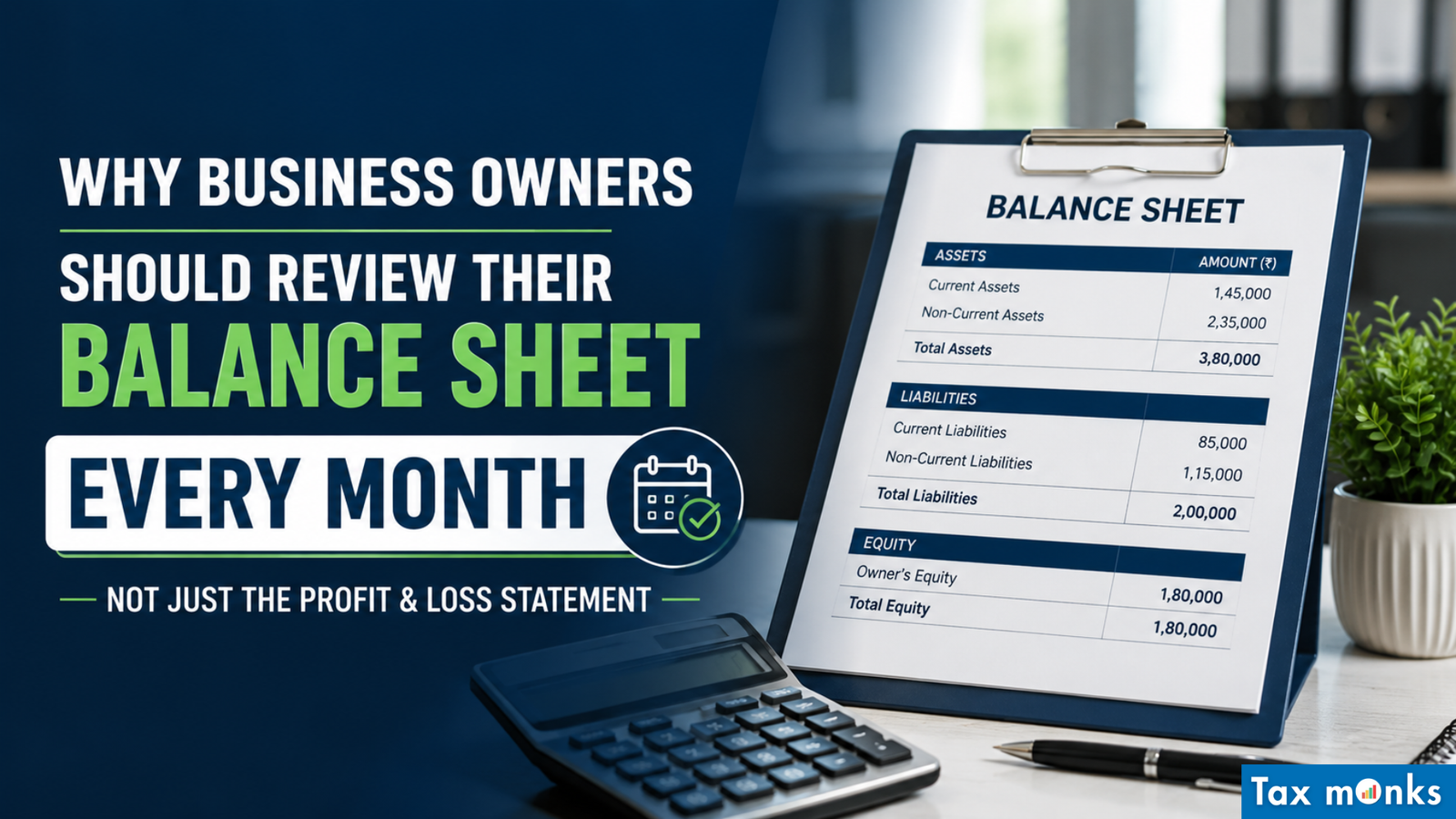
Many business owners regularly check their Profit and Loss (P&L) Statement to see whether the business is making money. While this report is important, it does not provide the complete financial picture. A business can report healthy profits but still experience cash shortages, increasing debts, or financial risks. This is why reviewing the Balance Sheet periodically is equally important.
Many business owners still believe an accountant's primary role is to record transactions, prepare financial statements, and ensure statutory compliance. While these responsibilities remain important, modern businesses require much more than accurate bookkeeping. An accountant should be a trusted financial partner who helps business owners understand their numbers, identify opportunities, and make informed decisions that support long-term growth.
Many businesses concentrate on increasing sales and controlling major expenses but overlook small accounting errors that gradually reduce profitability. These mistakes often remain unnoticed because they occur during routine financial processes. Over time, they can affect cash flow, distort financial reports, and lead to poor business decisions. Identifying and correcting these errors is essential for maintaining a healthy and profitable business.

As a business owner, your focus is always on increasing sales, attracting customers, and improving profitability. While these goals are essential, many overlook a critical factor that supports long-term success - internal financial control.
Many business owners focus heavily on increasing sales and acquiring new customers. While growth is important, the ability to manage day-to-day finances is what keeps a business running smoothly. An important yet often overlooked aspect of financial management is working capital. Working capital refers to the funds available to manage daily operations after accounting for short-term obligations. It directly affects a company's ability to pay suppliers, meet payroll commitments, maintain inventory, and handle unexpected expenses. Reviewing it regularly can help businesses avoid financial stress and make better decisions.

Many businesses believe that higher sales automatically mean better financial health. In reality, several businesses experience financial pressure even when sales are increasing. Strong revenue may look positive from the outside, but poor financial management can still create serious challenges inside the business.

Every business has to go through difficult periods at some point of time. Market slowdowns, rising expenses, delayed payments, or unexpected challenges can create pressure on daily operations. During such situations, businesses with strong financial habits are usually better prepared to handle uncertainty. Small and consistent financial practices can make a major difference in maintaining stability and protecting long term growth.

Many business owners focus mainly on sales, revenue, and accounts while reviewing business performance. However, one important financial factor that quietly supports better financial planning is depreciation. Though it is often seen only as an accounting term, depreciation actually helps businesses understand asset value, plan capital investments, manage profits accurately, and plan future growth more effectively.